

There’s a perception problem in sustainable fashion. For years, “eco-friendly” clothing has been associated with a specific look: oversized, shapeless, aggressively neutral, and styled as if looking beautiful and caring about the planet were mutually exclusive goals. As if the only way to dress responsibly was to dress like you’d given up on style altogether.
At Dress To, we’ve never understood that trade-off. Since 2003, our collections have been designed in Rio de Janeiro around natural fabrics, cotton, linen, and viscose, not because it was trendy, but because those are the fabrics that feel best in warm weather, drape beautifully on the body, and get softer with every wash. The fact that natural fabrics are also better for the planet was never a marketing strategy. It was just the way clothes should be made.
The Dress To Green collection takes that foundation further. It’s our dedicated eco-friendly collection, crafted with responsible materials and sustainable practices, pieces that respect the environment without compromising the Carioca style that defines everything we make. And the most important thing about it? It doesn’t look like “sustainable fashion.” It looks like fashion. Beautiful, feminine, effortless fashion that happens to be made the right way.
Why Natural Fabrics Are Inherently More Sustainable
The foundation of sustainable clothing is the fabric. And the simplest dividing line in fashion is this: natural fibers come from the earth and return to the earth. Synthetic fibers come from petroleum and stay in landfills for centuries.
Cotton, linen, and viscose — the three fabrics that form the backbone of every Dress To collection — are all plant-based. Cotton comes from the cotton plant. Linen comes from flax. Viscose comes from wood pulp, typically eucalyptus or bamboo. All three are biodegradable, breathable, and renewable. Synthetic fabrics like polyester, nylon, and acrylic are made from fossil fuels, release microplastics into waterways with every wash, and will still be sitting in landfills long after we’re gone.
This doesn’t mean all natural fabrics are created equal, how the cotton is grown, how the linen is processed, and where the viscose is sourced all matter enormously. But the starting point is fundamentally different. When you choose a garment made from cotton or linen over one made from polyester, you’re choosing a material that breathes, biodegrades, and doesn’t shed plastic into the ocean every time you wash it.
|
THE NUMBERS The fashion industry is responsible for nearly 10% of global carbon emissions. A single polyester shirt can take up to 200 years to decompose in a landfill. By contrast, linen biodegrades naturally within weeks under the right conditions, and the flax plant itself captures carbon dioxide as it grows — One hectare of European flax retains 3.7 tons of CO₂ every year — and flax grows with virtually no irrigation, no GMOs, and minimal pesticides. Alliance for European Flax-Linen & Hemp |
For a deeper look at why linen is our fabric of choice for travel and warm-weather dressing, read our complete guide: Why Linen Is the Best Travel Fabric (And How to Pack It).
What Is Dress To Green?
Dress To Green is our dedicated eco-friendly line, a collection within the larger Dress To world that’s specifically crafted with responsible materials and sustainable practices. It includes dresses, tops, pants, shorts, skirts, jackets, kimonos, and matching sets, all produced with environmental consciousness at the center of every decision.
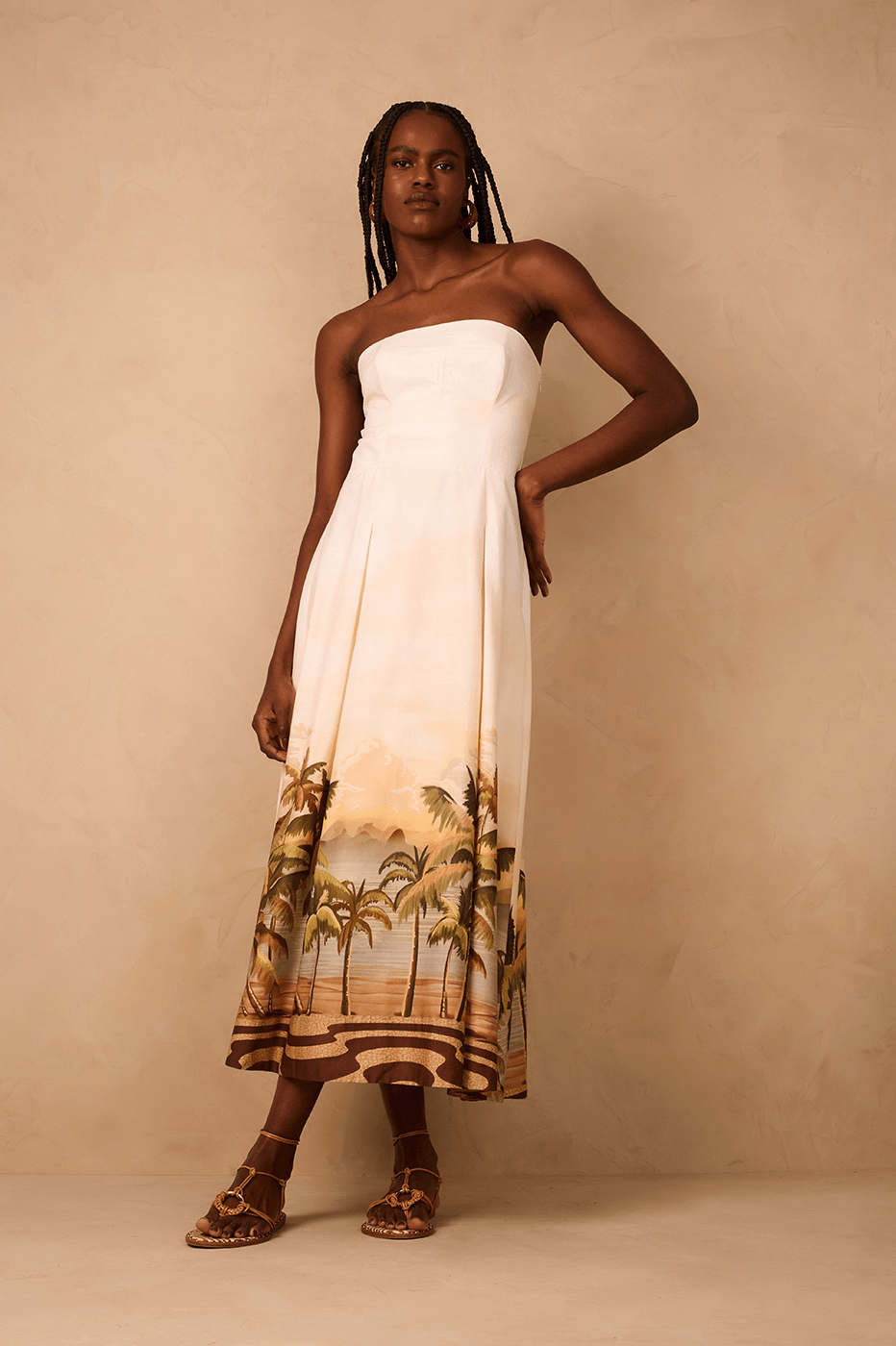
But here’s the thing that makes Dress To Green different from many “conscious” collections: the pieces don’t announce themselves as sustainable. There’s no earthy beige-only color palette. No shapeless silhouettes designed to telegraph virtue. The prints are bold. The cuts are feminine. The colors are drawn from Rio’s coastline and tropical landscape. If you didn’t know it was an eco-friendly collection, you’d just think it was beautiful fashion. And that’s the point.
Sustainable fashion succeeds when people choose it because they love the clothes, not because they feel obligated to buy something that looks “green.” The best sustainable garment is one you wear 100 times, not one you buy once to feel virtuous and never reach for again.
Made in Brazil: What Craftsmanship Means for Sustainability
Sustainability isn’t just about fabric. It’s about how and where a garment is made, who makes it, and how long it lasts. Fast fashion’s environmental damage doesn’t come only from polyester, it comes from a production model built on disposability. Clothes designed to be worn five times and thrown away. Stitching that unravels after three washes. Fabrics so thin they pill within weeks.
Every Dress To piece is designed and crafted in Brazil, where the tradition of garment-making values quality over speed. Our production supports a workforce that is 83% women — women whose skill and craftsmanship are reflected in every seam, every print alignment, and every hand-finished detail. This isn’t assembly-line production optimized for the lowest possible cost. It’s considered, intentional making that prioritizes durability and beauty equally.
The result is clothing that lasts. A linen shirt from Dress To doesn’t fall apart after a season, it softens, it relaxes, it develops character. A printed dress doesn’t fade after ten washes, the colors hold because the printing process was done with care, not with the cheapest available method. When a garment lasts three years instead of three months, you’ve reduced its environmental impact by a factor of twelve, regardless of what it’s made from.
For the full story behind Dress To’s making process, read:From Rio's Hands to Your Wardrobe: Our Artisanal Process
The Most Sustainable Garment Is the One You Actually Wear
Here’s a truth that the sustainable fashion industry doesn’t talk about enough: the single biggest factor in a garment’s environmental footprint is how many times you wear it. A perfectly sustainable organic cotton dress that sits in your closet unworn has a worse environmental impact than a conventional cotton dress you wear twice a week for two years.
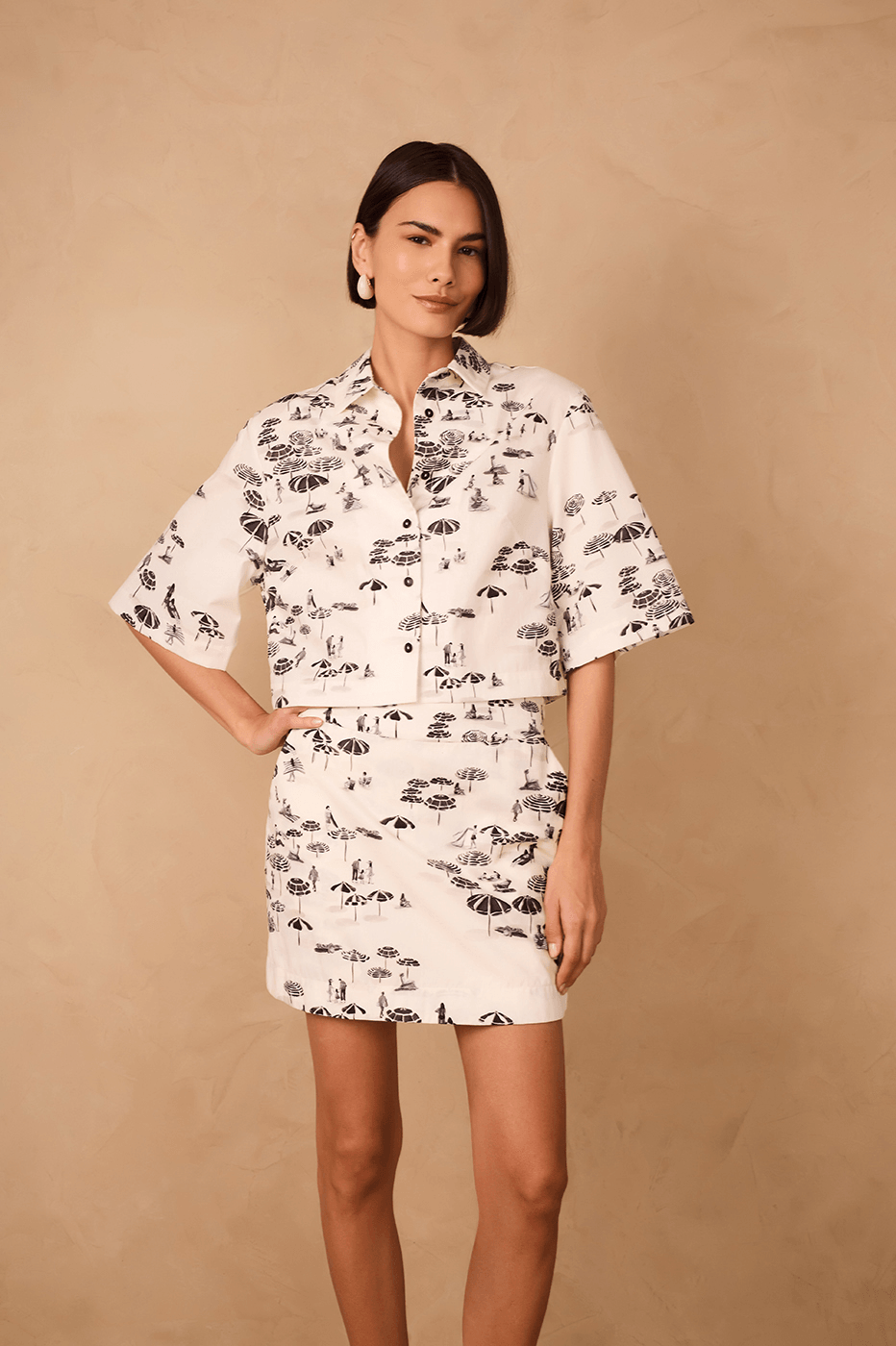
This is where design philosophy matters as much as fabric sourcing. Dress To doesn’t chase micro-trends. We don’t design for a single season and then move on. Our collections are built around silhouettes and color palettes that work year after year, flowing midi dresses, relaxed linen shirts, printed matching sets, wide-leg pants, because the clothes you reach for most are the ones that feel timeless rather than tied to a specific moment in fashion.
The capsule wardrobe philosophy is sustainability in practice. When you own fewer, better pieces that all coordinate with each other, you wear each one more. You buy less. You waste less. And paradoxically, you have more outfits to choose from because everything works together. That’s why our recent guide, The Only 10 Pieces You Need This Spring, uses exclusively Dress To pieces — because a brand built on natural fabrics, warm-weather design, and timeless silhouettes is inherently a capsule wardrobe brand.

How to Build a Sustainable Wardrobe Without Starting Over
You don’t need to throw away everything you own and rebuild from scratch. That would be the opposite of sustainable. Building a more conscious wardrobe is about making better choices going forward, one piece at a time. Here’s how:
1. Check the Label Before You Buy
The simplest sustainability habit is flipping the garment over and reading the fabric composition. If it says 100% polyester, you’re buying plastic. If it says cotton, linen, viscose, or a blend of natural fibers, you’re buying something that breathes, biodegrades, and won’t shed microplastics. This one habit changes your wardrobe over time without requiring any radical decisions.
2. Choose Versatility Over Novelty
Before buying anything, ask: can I wear this with at least three things I already own? If the answer is yes, it’s a wardrobe builder. If the answer is no, it’s a wardrobe filler, and fillers are what create closet clutter and textile waste. Matching sets are the ultimate versatility play: wear them together for one look, split them apart for two more.
3. Invest in Layers That Do Multiple Jobs
A linen kimono replaces a cardigan, a beach coverup, and an evening wrap. A printed shirt works buttoned up, open as a layer, or tied at the waist over a dress. Pieces that serve multiple functions mean you buy fewer pieces overall, which is the most direct path to a smaller environmental footprint.
4. Take Care of What You Own
Wash linen and cotton on a gentle cycle in cold water. Hang dry whenever possible. Store pieces folded rather than crammed. These small habits dramatically extend the life of natural fiber garments, and a garment that lasts twice as long has half the environmental impact.
5. Support Brands That Tell You How Their Clothes Are Made
Transparency is the simplest test of a brand’s commitment to sustainability. If a brand tells you where their fabrics come from, who makes their clothes, and what their production practices look like, they’re inviting accountability. If they don’t, there’s usually a reason.
What’s in the Dress To Green Collection
The Dress To Green line spans every category in our store — because sustainability shouldn’t be limited to a single product type. Here’s what you’ll find:
• Eco-Friendly Dresses — from flowing maxis to structured midis and relaxed minis, in both solid colors and prints. These are the pieces that prove sustainable dresses can be just as feminine and flattering as conventional ones.
• Sustainable Tops & Blouses — t-shirts, crop tops, tanks, shirts, and knitwear in responsible materials. The everyday basics that form the foundation of a conscious wardrobe.
• Eco-Friendly Pants & Shorts — from wide-leg linen pants to tailored shorts, in fabrics like cotton, linen, denim, and viscose. Comfortable, stylish, and made with the planet in mind.
• Sustainable Skirts — mini, midi, and maxi lengths in a range of fabrics, all produced responsibly. Light, feminine pieces for every occasion.
• Eco-Friendly Jackets & Kimonos — linen kimonos, vests, blazers, and outerwear produced sustainably. The layering pieces that complete your wardrobe without compromising your values.
• Sustainable Matching Sets — coordinated tops and bottoms that create complete, intentional looks with zero styling effort. The ultimate in wear-more-buy-less fashion.
Frequently Asked Questions
Q: What makes fashion sustainable?
A: Sustainable fashion considers the full lifecycle of a garment: what it’s made from (natural vs. synthetic fibers), how it’s made (ethical labor, responsible production), how long it lasts (quality construction, timeless design), and what happens when it’s no longer worn (biodegradable vs. landfill). The most sustainable garment is one made from natural fibers, crafted with care, designed to last, and worn frequently.
Q: What fabrics are most sustainable?
A: Natural plant-based fibers like linen, organic cotton, and responsibly sourced viscose are among the most sustainable options. Linen is particularly notable because the flax plant requires minimal water and no pesticides, and the fabric is naturally biodegradable. Cotton and viscose are also strong choices when sourced responsibly. Synthetic fabrics like polyester and nylon are derived from petroleum and release microplastics during washing.
Q: Is Dress To a sustainable brand?
A: Dress To has been committed to natural fabrics since its founding in Rio de Janeiro in 2003. Our collections are built primarily on cotton, linen, and viscose, plant-based fibers that breathe, biodegrade, and improve with age. Our Dress To Green line specifically uses responsible materials and sustainable practices. Our production supports a predominantly female workforce in Brazil, and our design philosophy prioritizes timeless, versatile pieces over disposable trend-driven fashion.
Q: What is the Dress To Green collection?
A: Dress To Green is our dedicated eco-friendly line, featuring dresses, tops, pants, shorts, skirts, jackets, kimonos, and matching sets, all crafted with responsible materials and sustainable production practices. The collection offers the same feminine, Rio-inspired aesthetic as the rest of Dress To, but with an additional layer of environmental consciousness in every material and production choice.
Q: How can I make my wardrobe more sustainable?
A: Start by checking fabric labels, choose natural fibers over synthetics. Buy fewer, more versatile pieces that coordinate with your existing wardrobe. Take care of your clothes by washing on gentle cycles and hang drying. And support brands that are transparent about their materials and production practices. A capsule wardrobe approach, where 10–15 coordinating pieces create dozens of outfits, is one of the most effective ways to reduce your fashion footprint.
Fashion That Feels Good in Every Way
Sustainable fashion isn’t a trend. It’s a return to the way clothes were made before the era of disposable fashion, with natural materials, skilled hands, and the expectation that a garment should last for years, not weeks. At Dress To, that’s been the approach since 2003, long before “sustainability” became a marketing buzzword.
The Dress To Green collection represents the next step in that journey, a dedicated line of eco-friendly pieces that combine responsible materials with the same Carioca spirit, feminine silhouettes, and tropical-inspired prints that define everything we make. Because the most powerful thing sustainable fashion can do is prove that caring about the planet and looking beautiful are not competing goals. They never were.
Here it’s always sunny!



Comments (0)